
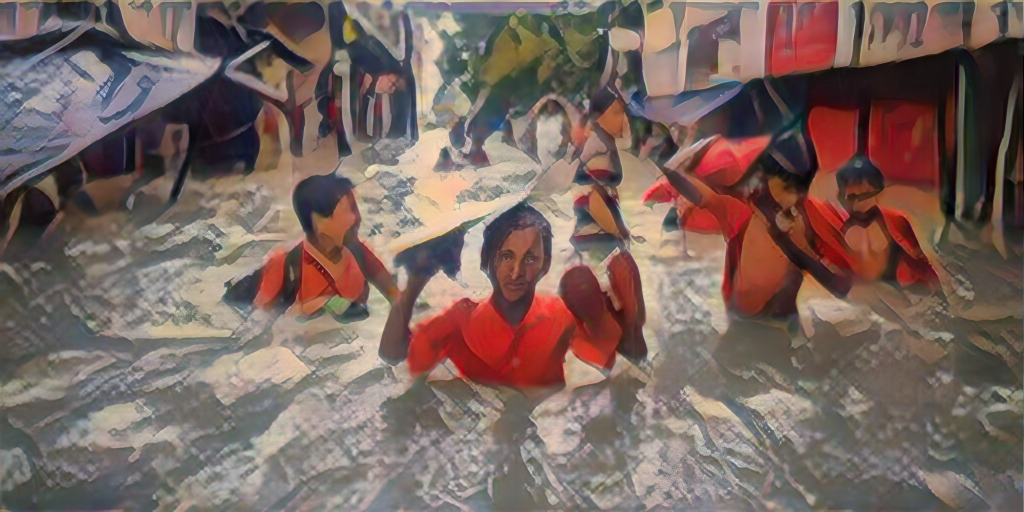
Climate change is not a crisis of the future; it is a current and intensifying disaster, disproportionately affecting children worldwide. From deadly heatwaves and worsening air pollution to hunger and displacement, children are suffering the consequences of a crisis they never saw coming. UNICEF estimates that almost one billion children are living in situations of extreme climate-related threats, with developing nations most affected. Though exposed, children are often neglected in climate policy and disaster response. This blog emphasizes the need for child-centered climate action and proposes real, people-centric solutions. It demands policies that prioritize children’s health, education, and resilience and hold corporations and governments accountable for sustainable transformation. Climate injustice is not something that can be addressed by merely increasing awareness; it requires radical action. We must break free from passive arguments and take firm action that safeguards the next generation. If we do not, we are guilty of stealing from them, not only their present lives but also their future.
Introduction
A wheezing child gasping for air in a haze of pollution. A family watching their home being swallowed up by raging floodwaters. A hungry toddler wailing as droughts scorch fields. These aren’t pages from a dystopian book; it’s the reality for millions of children worldwide. Climate change isn’t an environmental emergency; it’s a full-blown humanitarian catastrophe disproportionately affecting the most vulnerable. The worst part? Children, who contribute the least in global emissions, are faring the worst under its devastating impacts. But when the policies are being drafted and the climate summits are held, their pleas are overwhelmed by economic interests and bureaucratic complacency. We are faced with a crossroads: continue to deny our future generations the silent torture or make drastic, human-centric decisions to protect them. The issue is not whether children will survive climate change, but whether we will allow them to thrive in a world worth inheriting.
Why Are Children Left Defenseless?
Children all over the world are facing an unprecedented crisis, one that they have not created but are being affected the most. Climate change is not just melting ice caps or intensifying storms; it is endangering children’s health, security, and future with survival. Global warming is propagating deadly diseases such as malaria and dengue, and pollution is oxygen-starving the lungs of young children, leading to long-term respiratory diseases. Floods and droughts are putting agriculture into chaos, forcing millions of children into malnutrition and retarding their growth. The hardest hit are the already poor communities, thus ensuring the poverty trap.
In addition to physical devastation, global warming is psychologically traumatizing children. Disasters are interfering with the lives of children and making families homeless, exposing millions of children to refugee camps without quality healthcare, quality education, and safety. The storms destroy or force schools to be closed down, depriving the children of their right to acquire knowledge and lead a decent life. The anxiety and despair produced by the fear of falling into a non-guaranteed situation turn the children into victims, both of the immediate crisis and of the stolen future.
And yet, under such bad statistics, children are still not at the decision-making table. Governments and companies care more about GDP and not at all about climate justice, shutting their eyes to the irreversible harm inflicted on the youngest generation. This failure of the institution is not just a failure of duty, but of morality as well. Unless we act with all due haste, we are condemning one entire generation to live in torment, simply because they happened to be born into a world on fire.
A Child-Centered Climate Revolution
The climate crisis and its horrific implications for children require immediate and creative solutions. Governments, organizations, and society must come together under a multi-dimensional policy to save children from the worst impacts of it while equipping them with the knowledge to create a sustainable future.
Child health and safety must be the overriding priorities in policies. There are numerous things that the government can do, such as enacting more rigid environmental regulations that limit pollution and ensure clean water and air for all children. Investment in alternative energy can be employed to avert the combustion of fossil fuels and reduce emissions, leading to climate change. The health infrastructure must be improved to prevent climate diseases, especially in vulnerable regions, by more vigorous vaccination drives, better nourishment via good-quality diets, and access to potable drinking water. Education must also be placed on the climate agenda.
Climate education needs to be included in school curricula, teaching not just climate science but also practical solutions to children. Climate-resilient schools, built with the ability to withstand weather calamities, must become the norm so that children’s studies are not disrupted. Online platforms for education can also help climate-displaced children, preventing learning and future opportunities from being disrupted further.
The funds must be directed towards adaptation measures that protect children in vulnerable areas. These include activities like constructing climate-resilient infrastructure, natural disaster early warning systems, and climate insurance schemes for the vulnerable. Governments and international institutions must direct funds in a concentrated manner to safeguard children in developing countries without climate action mitigation, leaving the most vulnerable behind.
Climate decision-making has to include youth. Young leaders, such as the individuals who spearhead movements like Fridays for Future, have already proved the ability to influence global conversation. Governments and organizations must facilitate formal avenues for youth participation in policy-making, such that their voice informs the world they will be inheriting. UNICEF and other child-focused agencies can facilitate these opportunities such that the rights of the children are ingrained in every climate action agenda.
Finally, solutions must be localized and community-driven. Grassroots organizations that are experts in climate adaptation must be empowered, as they know the local-specific needs of their communities best. Sustainable agriculture, afforestation programs, and renewable energy solutions that are appropriate for local conditions can induce long-term transformation. Schools and communities must be equipped with know-how and the means to undertake small but fundamental actions, and they must help develop a sustainability culture.
There are solutions, and they have benefits far beyond children alone. Investing in a climate-resilient world now is an investment in a healthy, more equal future for all.
We Can’t Afford to Wait for Governments
Climate change is not an environmental issue, but a human rights concern, specifically the rights of children. The disproportionate effects they suffer are a consequence of systemic failures, including failures of leadership, governance, and collective responsibility. The climate change debate continues to rage in the arena of long-term effects, while the reality is that children are already paying the price. Their destinies are being denied, not only by nature itself, but also by human lassitude, corporate greed, and political delay.
It is not right that the governments of the world continue to prioritize economic growth over ecological sustainability, that large companies make profits out of activities that disintegrate natural resources but merely pay lip service to sustainability, and that climate summits promise more than what they actually produce. The richest nations, which are emitting the most for climate change, bear the greatest responsibility. Rather, it’s developing nations, where hundreds of millions of vulnerable children reside, who are made to endure the worst. Climate justice isn’t about reducing carbon emissions; it’s about accountability.
While the strength of young people is awe-inspiring. From Greta Thunberg’s global movement to local activists in their communities, up in arms about environmental protection, kids and teens are demanding change. But they shouldn’t have to. Adults, policymakers, and leaders must cease making climate action optional and start acting with the urgency that this crisis demands. Solutions exist, but the will to make them happen is still lacking. If we continue to fail, history will not blame us for what we did not prevent, but for what we knowingly allowed to occur.
Will We Save This Generation?
The days of doing nothing and half-stuff are already over. We must acknowledge that every day of complacency is a day stolen from the future of our children. The argument is not whether climate change happens or harms children, it’s whether we’re prepared to do whatever it takes to protect them. This is an emergency, not an argument; urgent action, not empty words; decisive commitment, not platitudes. Governments, companies, and citizens must rise above rhetoric and make hard-and-fast, no-nonsense choices that put kids first in climate action. We need stronger legislation, frontline spending on climate-resilient infrastructure, and a fundamental change to our concept of progress, not economically alone but in the context of sustainability and equity. We must do more than just acknowledge that children are suffering; we must redefine the systems that allow this to occur. This is not just a battle for the earth, it is a battle for justice, for survival, and for the very foundation of our collective future. The question left only now is if we even have the will to act before time runs out.
 GNLU CWCR - Rightfully Ours
Leave a comment